

Chinese black tea and the "black tea" in your English breakfast bag are cousins, not twins. In China it's called hongcha, which means red tea, named for the amber-red colour in the cup rather than the dark dry leaf. The one to start with is Dianhong from Yunnan: bud-heavy, malty, honey-sweet, and smooth enough to drink with nothing added.
The short version
- What English calls "black tea," China calls hongcha (red tea). Same broad family, but the Chinese versions are usually softer and sweeter.
- Mind the translation: the literal Chinese words for "black tea," heicha, point to a different category again, the dark aged teas like pu-erh.
- Dianhong (Yunnan red tea) is the friendliest place to start: golden buds, malt and honey, no milk required.
- Brew it a little cooler and shorter than a builder's mug, around 90°C for 3 to 4 minutes, and it stays sweet instead of turning bitter.
In this post
What "black tea" actually means in China
Here's the thing that trips people up. Ask for "black tea" in China and you might not get what you pictured, because the Chinese and English words land on different teas.
The tea you know as black, whether that's English breakfast, Assam, Ceylon, or Dianhong, is hongcha (红茶) in Chinese, and that translates as red tea. The name comes from the colour it brews: a clear reddish amber, never really black. The English word came later, from Dutch and British traders in the 1600s who named it after the colour of the dried leaf. One tea, two fair descriptions, two names.
Now the trap. The literal Chinese for "black tea" is heicha (黑茶), and that's a separate category: dark, post-fermented teas that age over years, with pu-erh the famous one. So translate "black tea" word for word and a seller in Yunnan might hand you something closer to pu-erh than to your morning cup. Whenever this post says Chinese black tea, it means hongcha, the everyday red tea.
Meet Dianhong, Yunnan's golden black tea
If you try one Chinese black tea, make it Dianhong. The name is plain: Dian (滇) is the old word for Yunnan, hong is red. Yunnan red tea.
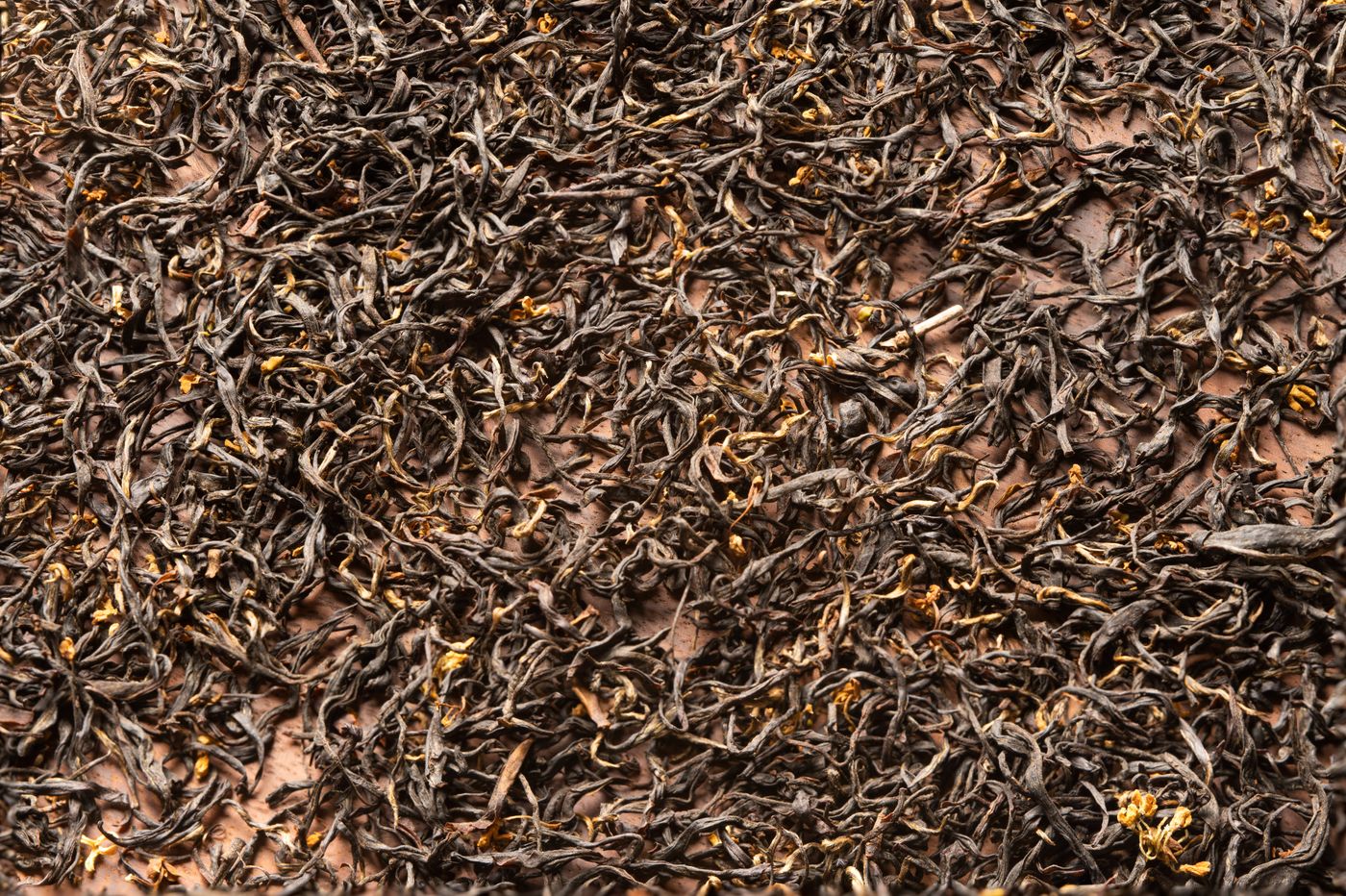
It comes from a big-leaf variety of the tea plant that grows in Yunnan's warm south, and it's picked with plenty of buds. Those buds dry down into golden tips, and the more gold you see in the loose leaf, the more bud material is in the batch, which usually means a sweeter, softer cup. Growers and buyers read the gold as a rough quality tell, and so do I.
The flavour is what wins over coffee drinkers. Malt, honey, a little cocoa, sometimes a note like baked sweet potato, and very little of the mouth-drying grip you get from a cheap teabag. It's a young tea by Chinese standards, too. Black-tea processing began in Fujian centuries ago, but Dianhong itself was only developed in Yunnan in the late 1930s, so it carries no thousand-year ceremony. It's just very good tea.
I grew up drinking it the plain way, in a glass with the leaves still floating, and it took me years to understand why English tea culture reached for the milk jug at all. That's worth its own section.
Why good Chinese black tea needs no milk
Milk in black tea isn't a mistake. It's a sensible fix for a particular kind of tea. The brisk, tannic Assam and Ceylon leaf bred for English and Irish blends is strong and a touch astringent on purpose, so it holds its own against milk, sugar, and hard water. Milk rounds off that edge.
Dianhong doesn't have much of that edge to round off. Pour milk in and you mostly bury the honey and malt you paid for. So here's my honest advice: brew a good Chinese black tea and drink it plain first. If you still want a splash afterward, a robust Dianhong can take one, but taste it bare before you decide.

Chinese black tea vs. English breakfast
They're the same broad type of tea, fully oxidised, but they're built for different cups. Here's the short comparison.
| Chinese black tea (Dianhong) | English Breakfast | |
|---|---|---|
| Origin | Single origin, Yunnan, China | Usually a blend (Assam, Ceylon, Keemun) |
| Leaf | Big-leaf Yunnan varietal, bud-heavy | Broken leaf bred for briskness |
| Flavour | Malt, honey, cocoa, sweet potato | Strong, brisk, malty |
| Astringency | Low | Higher |
| Milk? | Better without | Built for milk |
Other Chinese black teas worth knowing
Dianhong is the doorway. Once you're through it, a few others earn your attention:
- Keemun (Qimen, from Anhui): wine-like and faintly floral, and the classic China base hiding inside a lot of English Breakfast blends.
- Lapsang Souchong (Zhengshan Xiaozhong, from the Wuyi hills of Fujian): the original smoked black tea, dried over pinewood. People tend to love it or hate it, rarely in between.
- Jin Jun Mei: a modern, all-bud tea from that same corner of Fujian, delicate and honeyed, and priced like it.
Each of these deserves its own post, and they're coming. For how oxidation turns a green leaf into a black tea in the first place, our complete guide to black tea lays out the whole process.
How to brew Chinese black tea
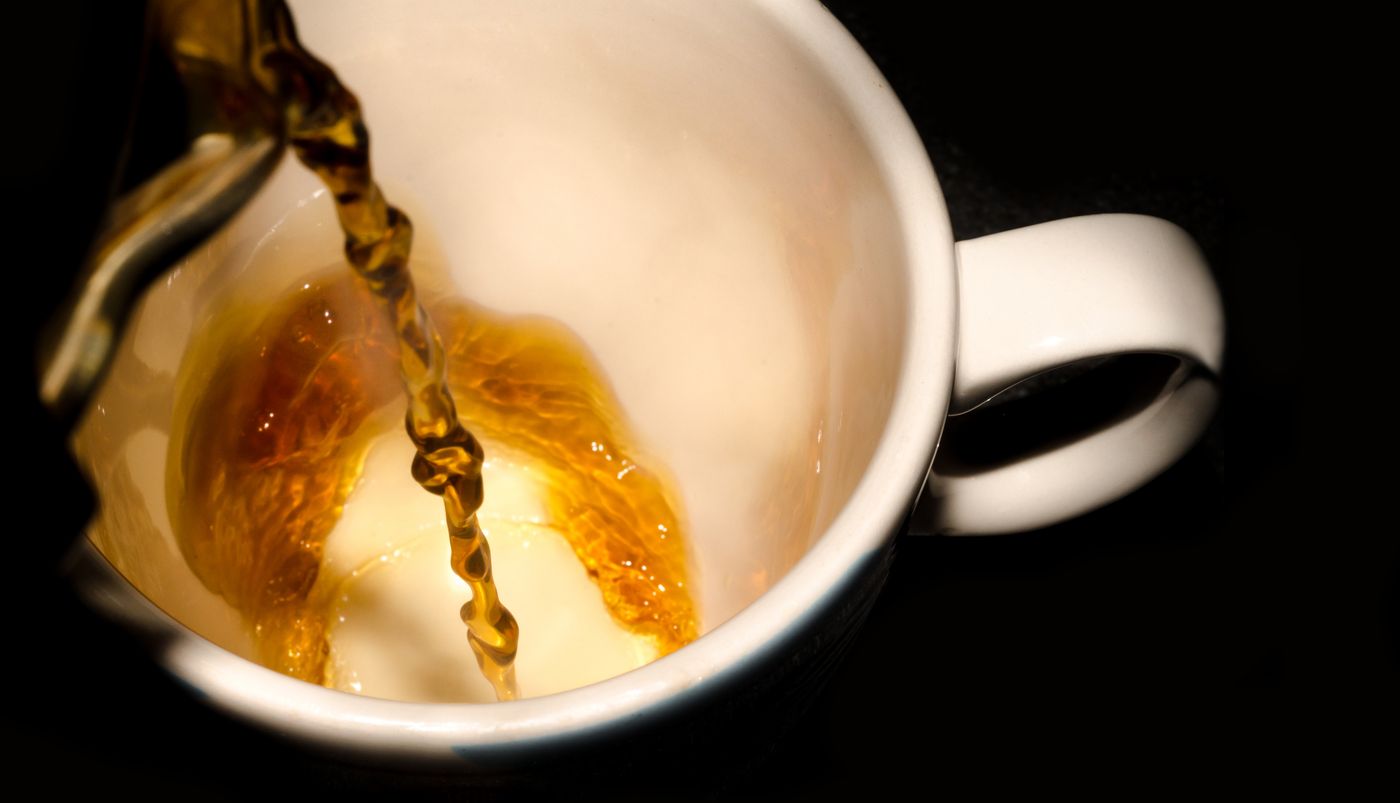
Chinese black tea is forgiving, but it rewards two small habits: use water a touch off the boil, and don't over-steep. Bud-heavy teas like Dianhong can turn bitter if you hit them with a full rolling boil for five minutes. Here's what I use.
| Method | Leaf | Water | Time | Re-steeps |
|---|---|---|---|---|
| Western mug or pot | 3–4 g per 250 ml (about 1 heaped tsp) | ~90°C / 195°F | 3–4 min | 2–3 |
| Gongfu (gaiwan) | 5 g per 100 ml | ~90°C / 195°F | 10–20 s, add time each round | 5+ |
| Cold brew | 8–10 g per 1 L | Cold, in the fridge | 6–8 hours | 1–2 |
One more habit worth keeping: Chinese black tea re-steeps well, so don't bin the leaves after one cup. A good Dianhong gives you three or four steeps, each a little different from the last. If you'd rather make it cold, our loose-leaf brewing guide covers the cold-brew method, and there's a ready-measured cold-brew Dianhong if you want to skip the weighing entirely.
FAQ
Is Chinese black tea the same as red tea?
Yes. Hongcha means "red tea" in Chinese, named for the reddish colour it brews, and it's the same category English speakers call black tea. The confusion only starts when you translate the words "black tea" literally, which points to heicha, a separate dark-tea category that includes pu-erh.
What does Dianhong taste like?
Malty and honey-sweet, often with notes of cocoa or baked sweet potato, and very little of the dry, puckery bite of a cheap teabag. Teas with more golden buds tend to taste sweeter and softer. Most people find it easy to drink without milk or sugar.
Does Chinese black tea have caffeine?
Yes, though usually less than coffee. A cup of black tea typically lands somewhere around 40 to 70 mg of caffeine, depending on the leaf and how long you brew it. For a fuller breakdown, the Mayo Clinic caffeine chart is a reliable reference.
Should you put milk in Chinese black tea?
You don't need to. Chinese black teas like Dianhong are smooth and sweet enough to drink plain, and milk tends to cover the honey and malt notes. Brisk Indian and Sri Lankan blacks were bred for milk; most Chinese reds weren't. Taste it plain first, then decide.
What's the difference between Dianhong and English Breakfast?
English Breakfast is usually a blend built to be strong and to take milk, often based on Assam, Ceylon, or Keemun. Dianhong is a single-origin Yunnan tea, softer and sweeter, meant to be drunk on its own. Same tea family, different job.